Telehandler CPCS A17 Course
Key Features
Of this Telehandler Forklift A17 Course:
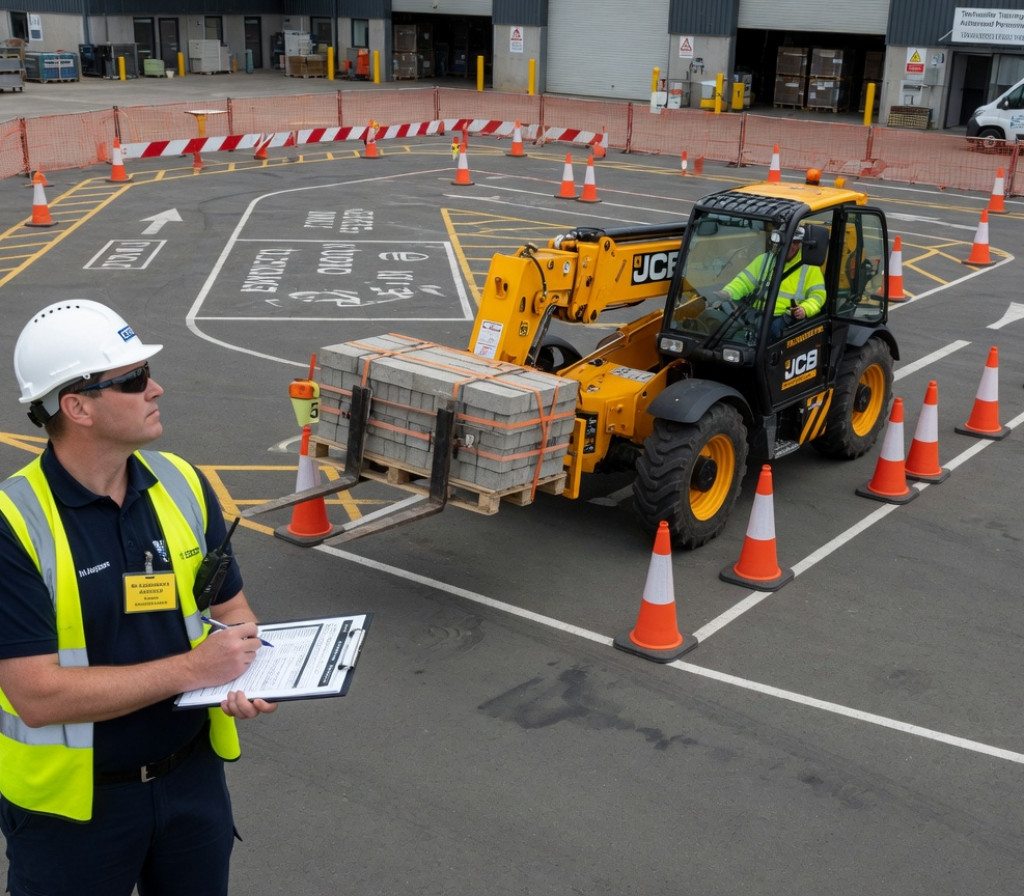
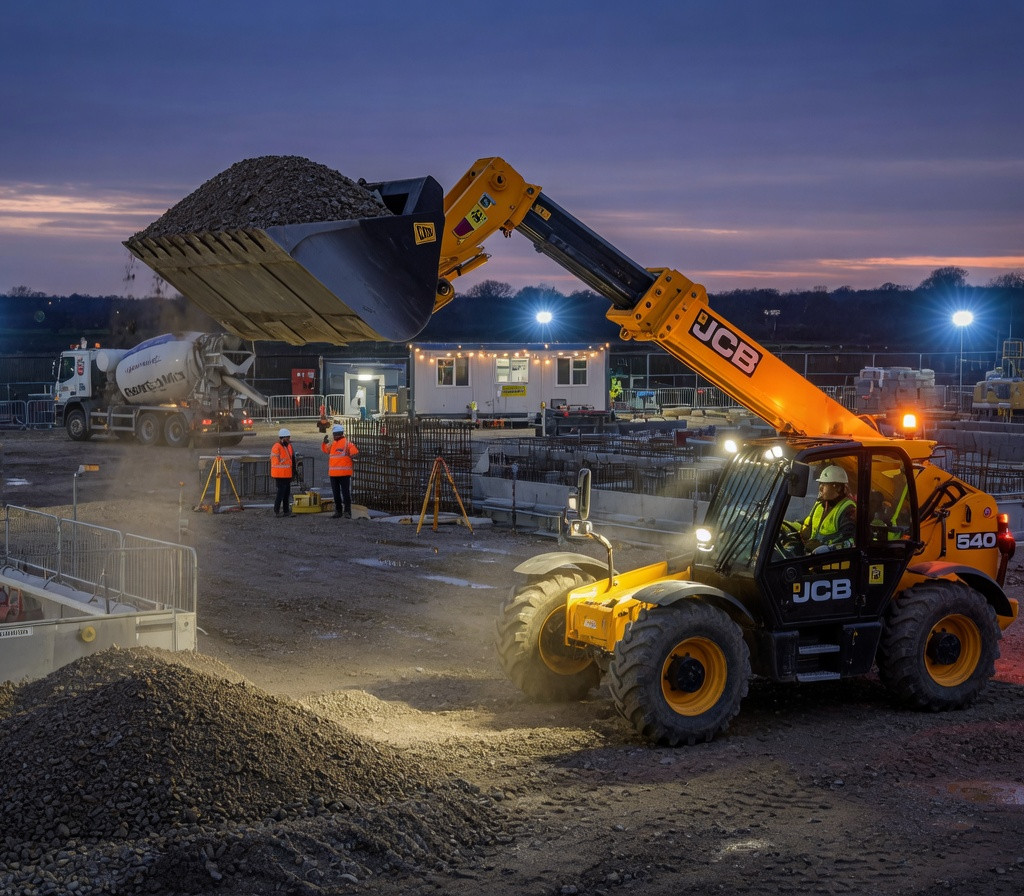
- Covers safe operation of telescopic handlers across varied site conditions including rough terrain and confined spaces
- Practical training on stabilisers, forks, buckets, and multiple lifting attachments
- Pre-use inspections, load assessment, and stability calculations aligned with LOLER and PUWER
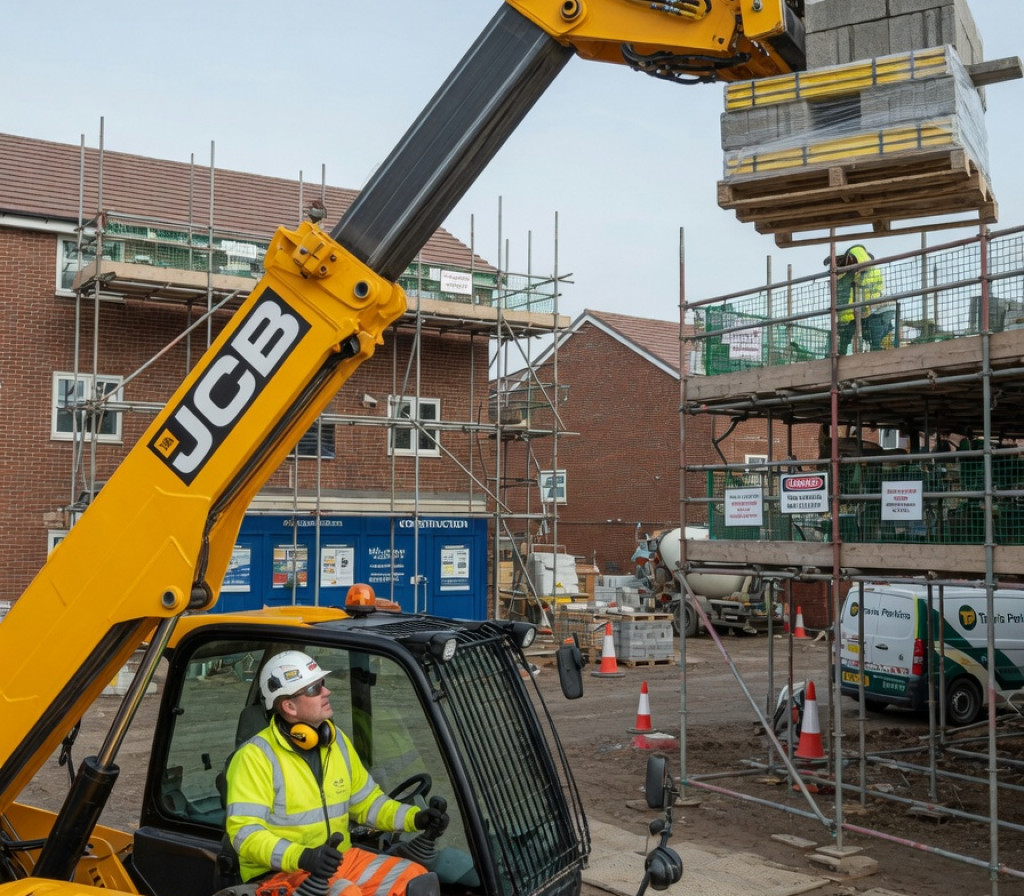
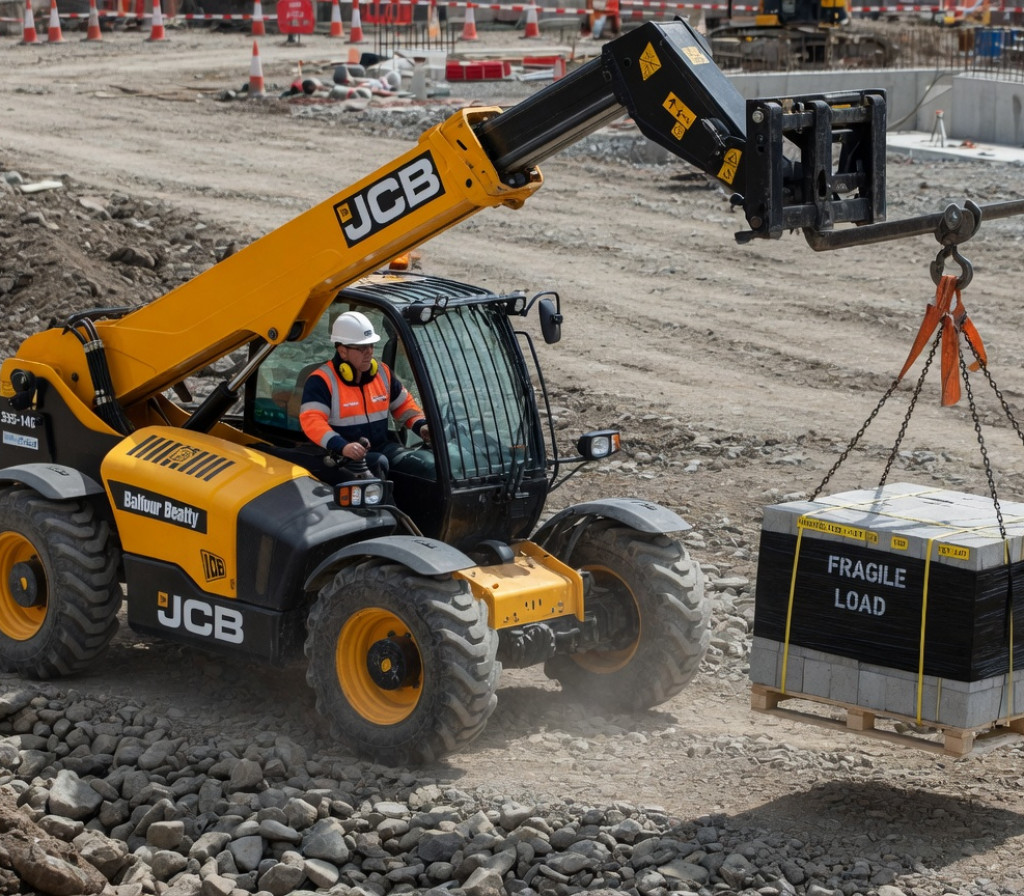
- Manoeuvring techniques with suspended and free loads plus working at height with the boom
- Assessment through CPCS theory test and practical demonstration on industry-standard equipment
Course Date Availability
Telehandler Forklift A17 training at the following 8 centres. Prices from £1100 per person :
Course Information
Overview:
The CPCS A17 Telehandler course delivers the nationally recognised qualification required to operate telescopic handlers on UK construction and industrial sites. Delegates learn the full range of machine functions, from basic travel and stacking to complex lifting with multiple attachments while maintaining stability on uneven ground. The training reflects current industry standards and prepares operators to work safely and productively under real site conditions in 2026.
Who Should Attend?
This course is designed for:
- Experienced plant operators seeking their first CPCS telehandler category
- Construction workers moving into telehandler duties
- Site supervisors and managers who need operational understanding
- Employers requiring compliant, carded operators for lifting tasks
What You Will Learn
By the end of the course you will be able to:
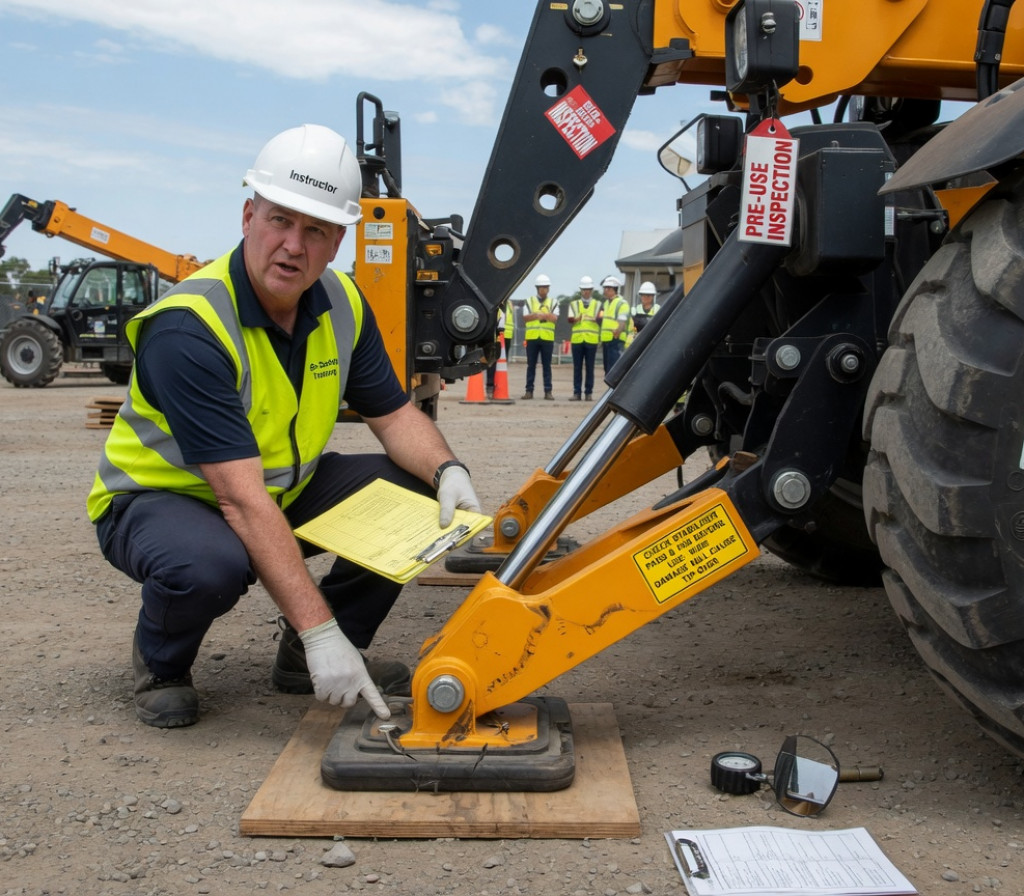
- Pre-use checks, daily maintenance and defect reporting
- Safe load handling with forks, lifting hooks and specialist attachments
- Boom extension, retraction and levelling on slopes and uneven surfaces
- Travelling with and without loads, including reversing and tight spaces
- Use of stabilisers and outriggers where fitted
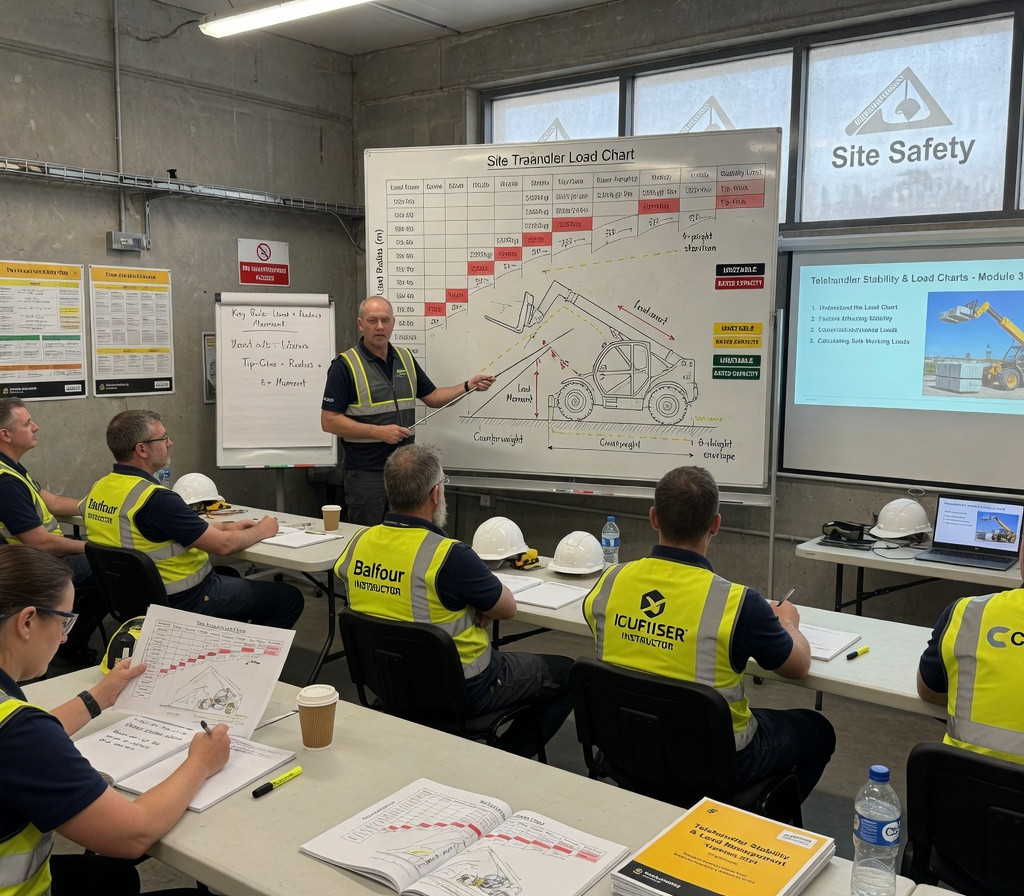
- Understanding of rated capacity indicators and load charts
Course Agenda
Overview:
The course runs over three to five days depending on prior experience and combines classroom theory with extensive practical exercises on a live training area. Delegates complete both theory and practical assessments on the final day.
Key Modules Covered
What you will learn:
- Health, safety and legislation relevant to telehandler operation
- Machine types, components and rated capacity indicators
- Pre-use inspection and fault identification
- Operating techniques for laden and unladen travel
- Lifting, placing and retrieving loads with various attachments
- Stability, ground conditions and hazard awareness
- Emergency procedures and shutdown protocols
Private Courses On-site
Telehandler CPCS A17 training is also available as a dedicated course, at your premises, and on a date and time of your choosing. Advantages of group / private course is the convenience of candidates being in familiar surroundings and not having to travel, the lowest price, and the ability to have the course tailored to your own application.
Latest Delegate Feedback
⭐ Rated 4.3 By Our Candidates - (169 reviews)
Cool, compliments to the chef. haha...
★★★★★
5 ⭐ – Richard O - Wed 13th May 2026
Xyz.co.uk Training session that took place in Walsall recently was mucho fabuloso.
★★★★★
5 ⭐ – Carolyn H - Tue 12th May 2026
Good value...
★★★★★
5 ⭐ – Adam - Mon 11th May 2026
We all agreed the Telehandler CPCS A17 training day held at our premises recently was top drawer. Trainer was awesome..
★★★★★
5 ⭐ – Neil P - Sun 10th May 2026
Accreditation & Next Steps
What you will achieve as a result:
Successful delegates receive the CPCS Red Trained Operator card, valid for two years. Within that period operators must complete an NVQ Level 2 in Plant Operations and the CITB Health, Safety and Environment test to upgrade to the five-year Blue Competent Operator card.
Frequently Asked Questions
Most commonly asked Telehandler CPCS A17 questions:
Duration is typically five days for novice operators and three days for those with relevant plant experience. Both include theory sessions, practical exercises and final assessments.
Delegates must hold a valid CITB Health, Safety and Environment test pass and be able to provide photographic ID. Prior operating experience is helpful but not mandatory.
Training includes forks, lifting hooks, buckets, grabs and other common attachments used with telescopic handlers on construction sites.
Delegates must demonstrate pre-use checks, safe travel, load handling, placement at height and correct use of stabilisers under assessor observation.
The Red Trained Operator card is valid for two years. Upgrading to the Blue Competent card requires an NVQ and further health and safety test within that period.
Refresher training is recommended every five years or when there are significant changes to equipment, regulations or site conditions.
A17 specifically covers telescopic handlers. Other categories such as A09 or A25 address different machines like forward tipping dumpers or mobile cranes.
Delegates need suitable PPE including safety boots, high-visibility clothing and hard hat, plus any existing certification or logbook entries.
Basic road travel requirements are included where relevant to site access, but the qualification focuses primarily on off-road construction and industrial environments.
Once the CPCS card is issued, operators can work under supervision as a trained operator until they achieve the Blue Competent card.
Skills gained directly support daily operations such as unloading deliveries, placing materials at height, handling suspended loads and working safely on sloping or soft ground.
The core operating principles apply across both sectors, though additional site-specific familiarisation may be needed for agricultural environments.
Prices per person typically start at £1100. Discounts available for multi person or group bookings (depending upon location)
More Information
The training equips delegates with the practical skills and knowledge needed to operate telehandlers confidently across a wide range of construction, industrial and agricultural environments while meeting current UK competence requirements.
Last updated: Jun 2026 • Part of XYZ Training Group